Farmhouses and Farm Land in Morni Hills: What You Are Really Buying
A farmhouse and farm land are two different purchases with two different sets of problems. One you can move into. The other you cannot legally build on. Here is how to tell them apart before you pay.
People use "farmhouse" and "farm land" as if they were the same thing. They are not, and the gap between them has swallowed a lot of money in these hills.
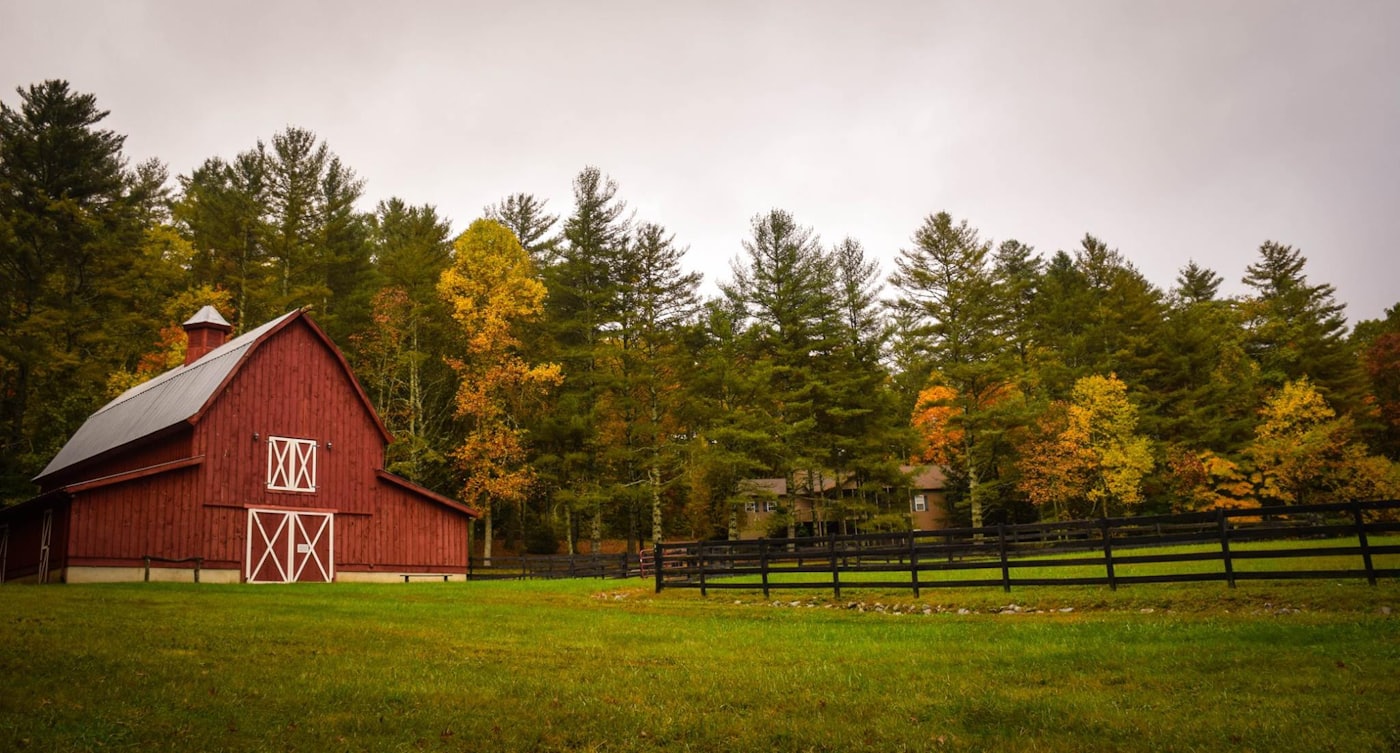
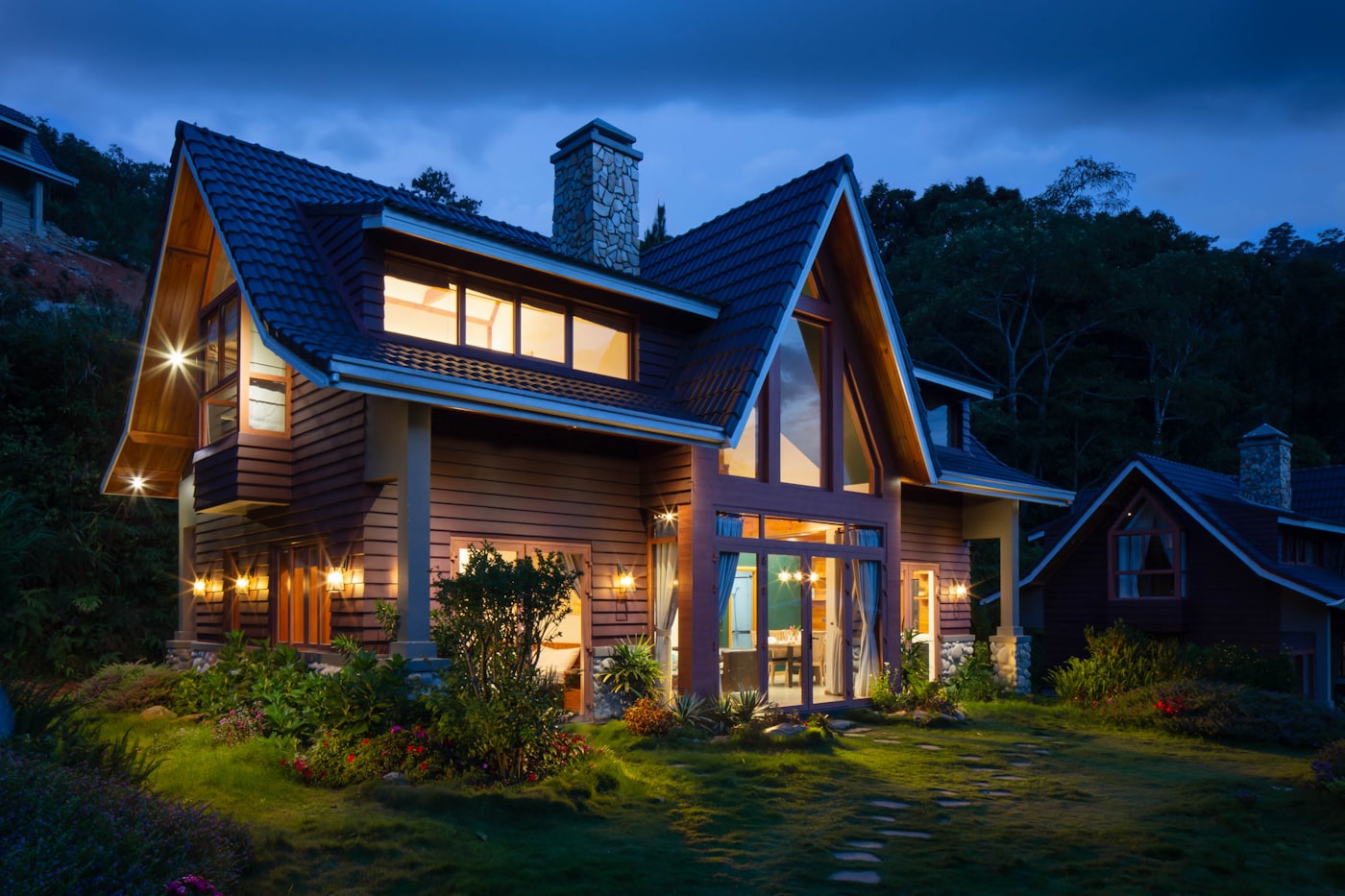
A farmhouse in Morni Hills is a built house, usually on land already classified for it, with a garden or orchard around. You can move in.
Farm land — agricultural land — is cheaper per unit of area and cannot be built on until its use has been formally changed. Plenty of buyers have found that out after the registry.
Buying a built farmhouse
The advantage is simple: you can see what nine monsoons did to the roof. In the hills, that is worth a great deal. A house that has stood through the rain, with the damp patches visible, tells you more than any specification of a house not yet built.
What to look at
- The roof and the damp. Go in the monsoon if you possibly can, or at least ask to see the ceilings and the outer walls at the base.
- Water. Borewell, village line, or a tank filled by tanker? The third one becomes a monthly cost.
- Power backup. Cuts are longer here than in Panchkula. Ask what is installed and whether it works.
- The approach. Can a car reach the gate, or is there a walk? A walk is charming for a weekend and hard at 60.
- Retaining walls. Look at their condition. A wall that is bowing is a large future bill.
- Who maintains it when you are away. Most people who buy here are not living here full time.
What a farmhouse costs to hold
Buyers budget the purchase and forget the year. A house in the hills that is used at weekends still needs a caretaker, water, electricity, and repairs after each monsoon. Ask the seller what the last two years actually cost, and treat a vague answer as an answer.
Buying farm land
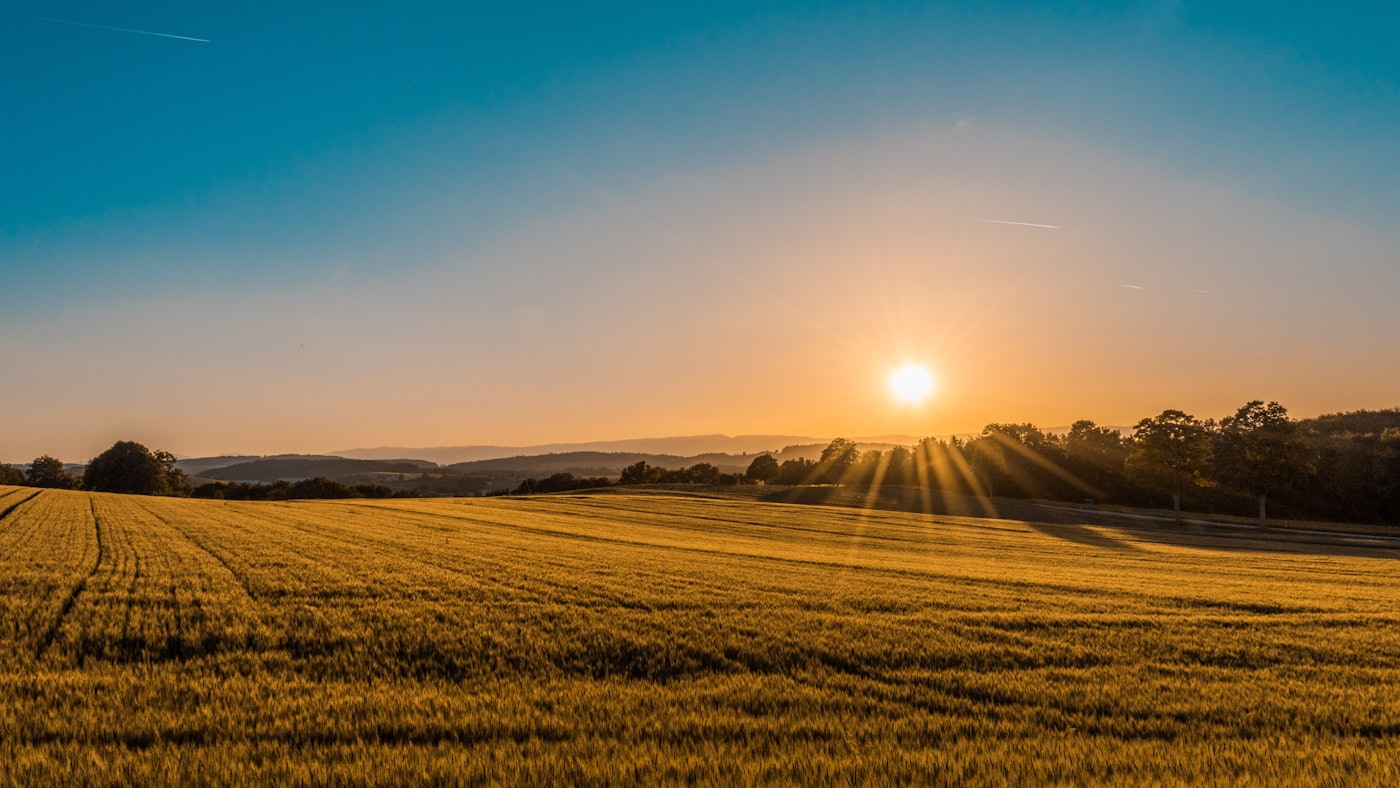
Agricultural land in Morni Hills is usually terraced, often under wheat or maize, and cheaper per kanal than a residential plot. It suits an orchard, a long hold, or someone who genuinely intends to farm.
The thing that catches people
You cannot build a house on it without a change of land use. That process runs through the government, costs money, takes time, and can be refused. If your plan involves a building, either buy residential-classified land or budget honestly for the conversion before you commit — not after.
Water on farm land
Most terraced land here depends on a seasonal channel that carries water from about July into October and is dry the rest of the year. Some has a borewell. The difference between those two is enormous for anything you intend to grow, and it is not visible in a photograph taken in August.
See the land in May if you can. That is when it tells the truth.
Farmhouse or farm land — a straight comparison
| Built farmhouse | Farm land | |
|---|---|---|
| Move in | Immediately | Not until built, and not without a CLU |
| Price | Higher — you pay for construction | Lower per kanal |
| Risk | Visible — you can inspect the building | Hidden — permissions, water, access |
| Running cost | Caretaker, repairs, utilities | Low if left alone |
| Loan | Easier | Harder |
| Resale | Faster | Slower |
| Suits | Weekend use now | Orchard, long hold, farming |
Papers: what changes for agricultural land
Everything in the general checklist still applies — jamabandi, mutation, khasra, encumbrance. Two things matter more here:
- Land use classification on the record, in writing, not in conversation
- Whether a CLU has ever been applied for on this land, and what happened
- Whether the terraces on the ground match the khasra map
- Who has been cultivating it, and on what arrangement
- Whether any tenancy or cultivation right is recorded against it
- The water source, named — channel, borewell or none
That last-but-one point is the one city buyers miss entirely. Land that someone else has been farming for years can carry recorded rights. Read the jamabandi at jamabandi.nic.in, and have an advocate read it too.
What grows here
Morni's terraces carry wheat and maize as the field crops. Orchards do well — mango, litchi, guava, plum and apricot are all around the area, and a farmhouse sold with forty or sixty bearing trees is common.
An orchard is worth asking about in detail: how old the trees are, what they yielded last year, and who picked it. Trees planted last season and trees bearing for ten years are very different assets sold under the same word.
How we handle a farmhouse sale
1. What is it for
Weekend use, a permanent move, a stay business, or a hold. These lead to different properties, and the answer changes what is worth your drive.
2. Two visits, not one
For a farmhouse we ask people to come twice if they can, ideally in different weather. Nothing shows a hill house up like rain.
3. Papers, including the building
Land record plus whatever exists for the construction. Ask when it was built and by whom.
4. Honest running numbers
We will tell you what a caretaker costs here and what the monsoon usually damages. Those figures are not in the asking price and they should be in your decision.
What a change of land use actually involves
People hear "CLU" and treat it as a formality. It is not. If you are buying farm land with any intention of building, understand this part properly before you pay.
- It is an application, not a right. Permission may be refused, and there is no obligation on anyone to grant it.
- It costs money. Conversion charges are levied and vary with the area and the intended use.
- It takes time. Months, not weeks, and longer if anything on the record needs correcting first.
- It depends on the land, not on you. Location, classification and surrounding use all matter.
The safe way to treat it: assume the answer will be no, and buy only if the land is still worth it as agricultural land. If permission then comes through, you have gained something. If you buy on the assumption that it will, you may end up with land you cannot use.
Anyone assuring you that conversion is "no problem, it always happens here" is telling you something they cannot know. Ask them to put it in the agreement and watch what happens.
The farmhouse year, month by month
| Period | What it is like | What needs doing |
|---|---|---|
| March – June | The best months. Warm days, cool nights. | Water gets tight in May; orchard work |
| July – September | Monsoon. Green and wet. | Drainage watched, walls checked, damp treated |
| October – November | Clear air, long views. | Repairs after the rain; harvest |
| December – February | Cold, quiet, occasional frost. | Heating, pipes, and someone on site |
That October row is the important one. Almost every hill house needs something after the monsoon — a drain cleared, a wall pointed, a patch of roof. Budget for it every year and it stays a small job. Skip it for three years and it becomes a large one.
A word on price
A built farmhouse costs more than the land plus construction on paper, because you are also buying the fact that it already works. Whether that premium is fair depends on how well it was built, and that is exactly what the two visits are for.
If a farmhouse is cheap for its size, the reason is usually the approach, the water, or the papers. It is worth finding out which before you decide it is a bargain.
About us
Sky Property Morni Hills handles farmhouses, farm land, plots and cottages across Morni, Tikkar Taal, Bhoj Jabial, Mandana, Thandog and Baldwala. We live here. We will tell you when a roof is going to be a problem, because we would rather lose a sale than be the person you blame next monsoon.
Call or WhatsApp +91 83073 77270. Site visits are free and there is no booking amount at that stage.
Questions People Ask
+What is the difference between a farmhouse and farm land?
+Can I build a house on farm land in Morni?
+Can anyone buy agricultural land in Morni Hills?
+How much does a farmhouse in Morni Hills cost?
+What should I check in a built farmhouse?
+When is the best time to see a farmhouse here?
+Is water available on farm land in Morni?
+What crops grow in Morni?
+Is buying an orchard worthwhile?
+What does it cost to run a farmhouse in Morni?
+Can I get a loan on a farmhouse?
+Can farm land be used for a homestay or resort?
+Does someone else have rights on land I buy?
+How many trees make a real orchard?
+Is farm land a good investment in Morni?
+What size is farm land sold in?
+Can a car reach most farmhouses in Morni?
+What happens to a farmhouse in the monsoon?
+Do you have farmhouses for sale right now?
+How do I arrange a visit?
Read next
- All property in Morni Hills — plots, land, farmhouses and cottages
- Residential plots for sale
- Farmhouses in Morni Hills
- The full Morni property guide
Land records for Haryana are public — look any plot up yourself at jamabandi.nic.in, and district information is at panchkula.gov.in.
Also from us: Sandeep Photography — wedding, pre-wedding and event photography across Chandigarh, Panchkula and Mohali. Most people mark a new house with a griha pravesh, and later a wedding.

Sky Property Morni Hills
We buy, sell and arrange land in Morni and around Panchkula, and we live here. Call +91 83073 77270 with anything this article did not answer.
Looking for land in Morni?
Tell us the budget and the area. Site visits are free, with no obligation.